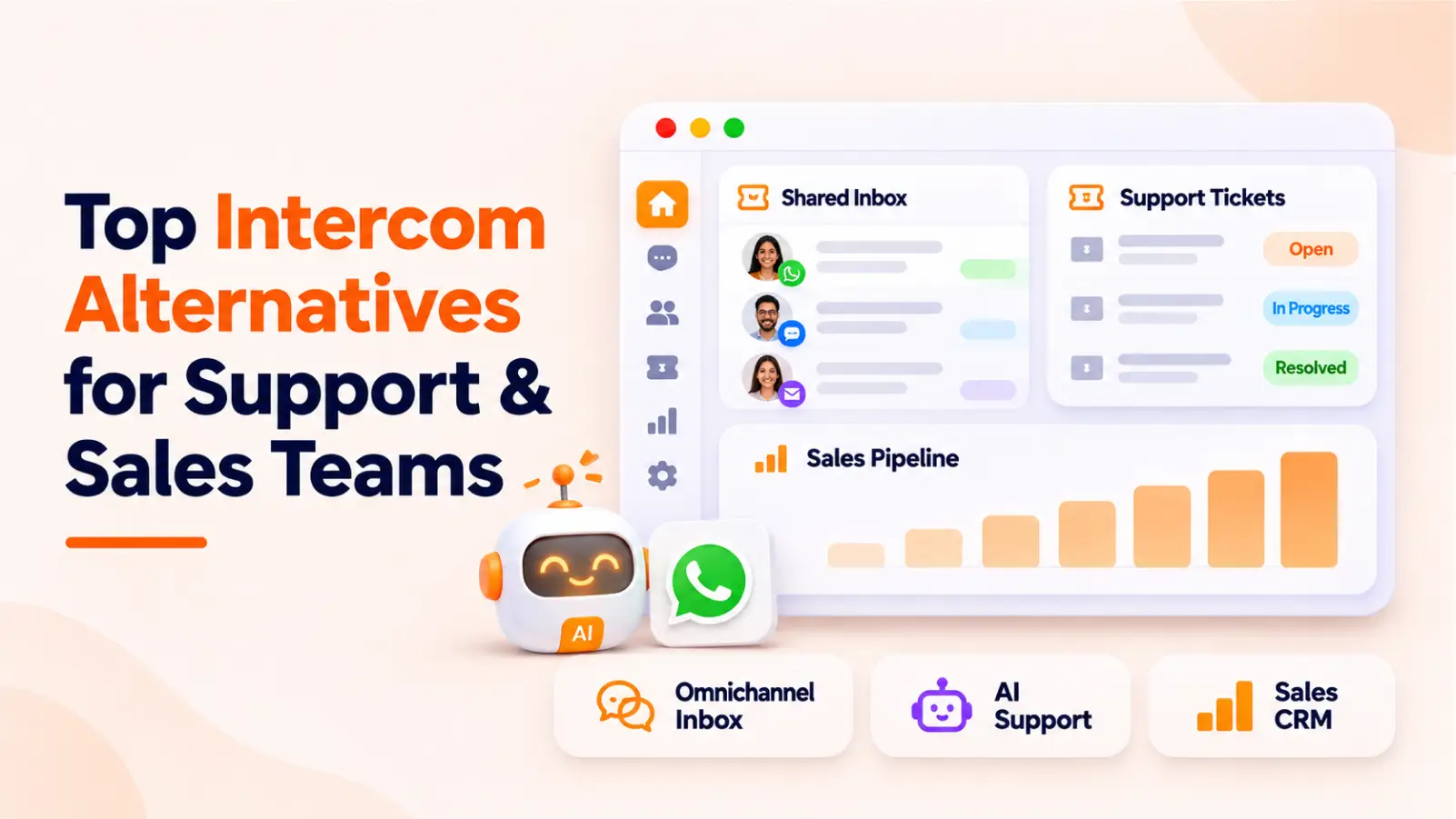
Top Intercom Alternatives for Support & Sales Teams
Compare the best Intercom alternatives for support and sales teams, with pricing, WhatsApp features, and simple formulas to test before switching.
- 1Why Teams Look for Intercom Alternatives
- 1. Rising Cost of Seats and AI Resolutions
- 2. Limited WhatsApp and Sales Features
- 3. Complex Setup for Small Teams
- 2Quick Comparison Table of the Best Intercom Alternatives
- 35 Best Intercom Alternatives for Support and Sales Teams
- 1. AiEngage CRM
- 2. Chatwoot
- 3. Zendesk
- 4. Front
- 5. Tidio
- 4Intercom Alternative for Sales Teams vs Support Teams: What Changes
- What Support Teams Need Most
- What Sales Teams Need Most
- When One Omnichannel CRM for Sales and Support Makes Sense
- 5Is There a Cheaper Alternative to Intercom That Still Works Well?
- 6Why WhatsApp Matters When Choosing a Customer Support Tool
- 7Mistakes to Avoid When Switching From Intercom
- 8What to Test During a Free Trial Before You Leave Intercom
- 1. Run Real Customer Conversations, Not Demo Chats
- 2. Check How Leads Move From Chat to Your Sales Pipeline
- 3. Measure Response Time Across WhatsApp, Email and Live Chat
- 4. Ask Your Agents What Slowed Them Down
- 9Conclusion
- 10FAQs
- Question: What is the best alternative to Intercom?
- Question: Is Chatwoot a good free Intercom alternative?
- Question: Which Intercom alternative is best for small businesses?
- Question: Can one tool handle both customer support and sales?
- Question: Which Intercom competitors support WhatsApp?
Intercom bills you twice. Once for every agent seat, and once more every time its AI closes a chat. For a support desk that grows, or a sales team that lives on WhatsApp, that second meter turns a monthly invoice into a guessing game.
The top Intercom alternatives for support and sales teams are AiEngage CRM (sales and support in one CRM with WhatsApp AI), Chatwoot (open source and budget-friendly), Zendesk (large support desks), Front (shared email inbox), and Tidio (simple live chat for small businesses).
Each one fits a different kind of team, and the details below make the right match easy to spot.
Why Teams Look for Intercom Alternatives
Most switches start with a pricing surprise and end with a channel problem.
1. Rising Cost of Seats and AI Resolutions
As of November 2026, Intercom seats on annual billing cost $29 (Essential), $85 (Advanced), and $132 (Expert). Its AI agent, Fin, adds $0.99 per resolution with a 50-resolution monthly minimum. At 1,000 AI-resolved chats, Fin alone costs about $990, which pushes many teams toward a cheaper alternative to Intercom.
2. Limited WhatsApp and Sales Features
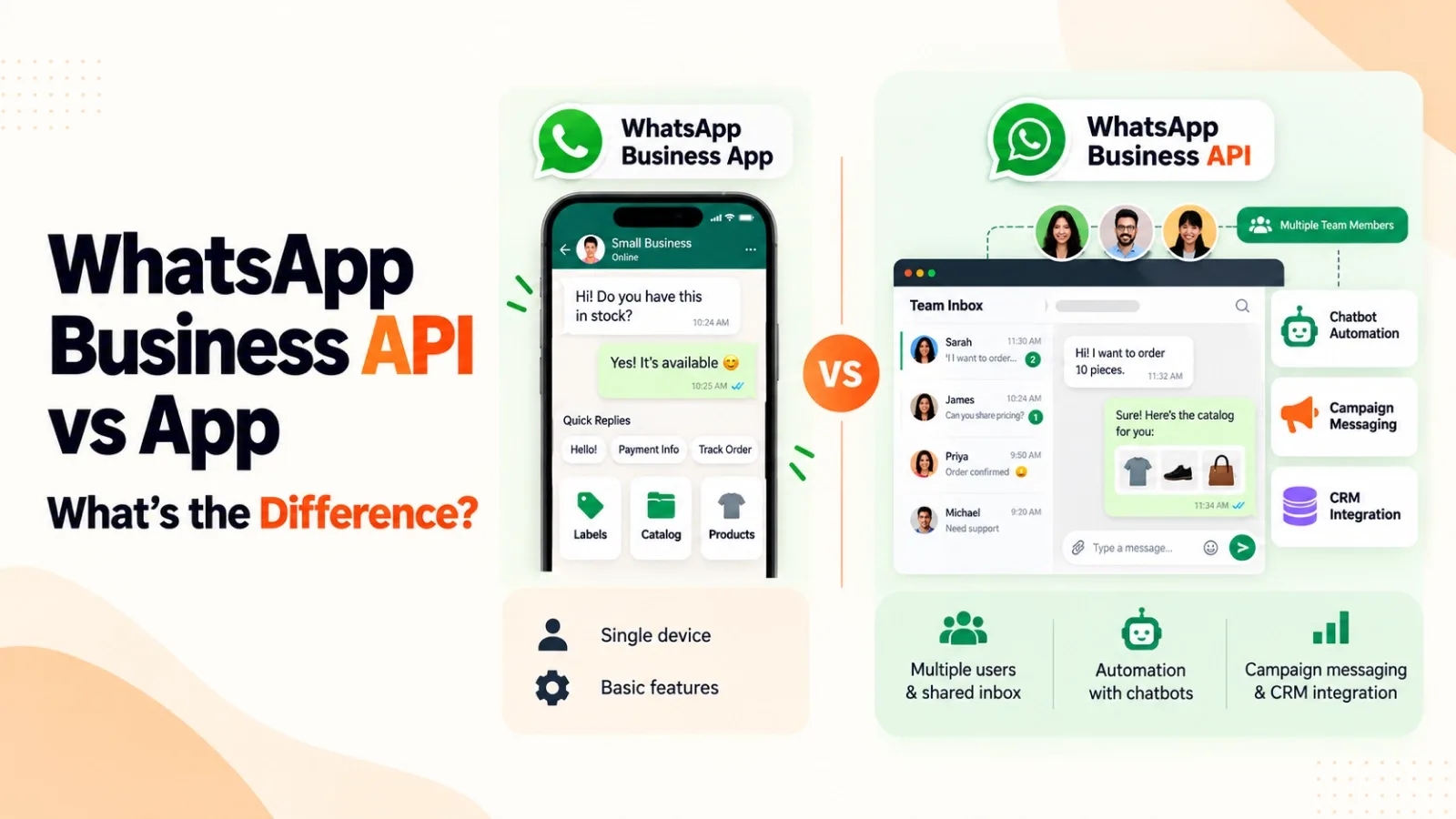
Intercom grew around website chat, while customers in India, the Middle East, and Latin America prefer WhatsApp. Running WhatsApp at team scale needs the official WhatsApp Business API, and sales teams still need a separate CRM for deals, quotes, and invoices.
3. Complex Setup for Small Teams
Small teams often pay for workflows and reports they never configure. Intercom also rebranded to Fin in 2026 and agreed to a Salesforce acquisition, which leaves some teams unsure about its future roadmap.
Quick Comparison Table of the Best Intercom Alternatives
Prices are starting prices on annual billing from each vendor's pricing page in November 2026.
Tool | Best For | Starting Price | Free Option | |
|---|---|---|---|---|
AiEngage CRM | Sales and support in one CRM | Core channel | Custom pricing | Free trial |
Chatwoot | Budget teams, data control | Core channel | $19 per agent | Free plan, 15-day trial |
Zendesk | Large support teams | Supported | $19 per agent | 14-day trial |
Front | Email-heavy B2B teams | Supported | $25 per seat | 14-day trial |
Tidio | Small online businesses | Supported | $29 per month | Free plan |
5 Best Intercom Alternatives for Support and Sales Teams
1. AiEngage CRM
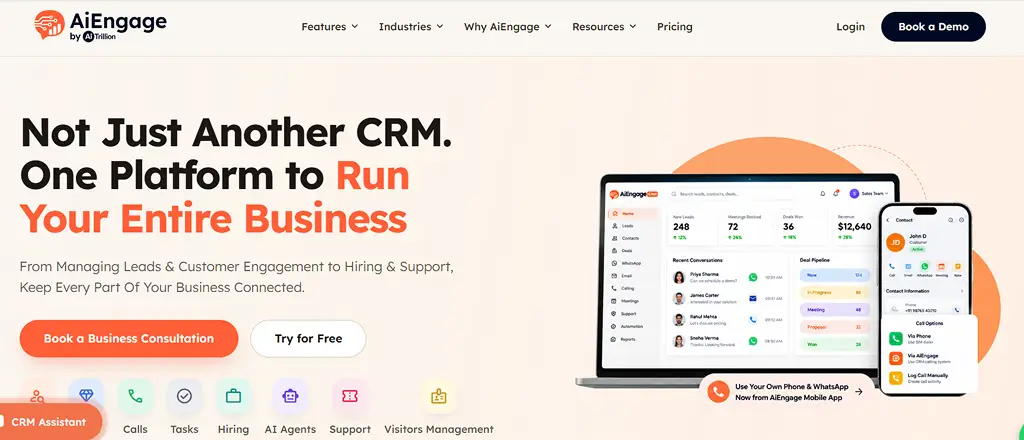
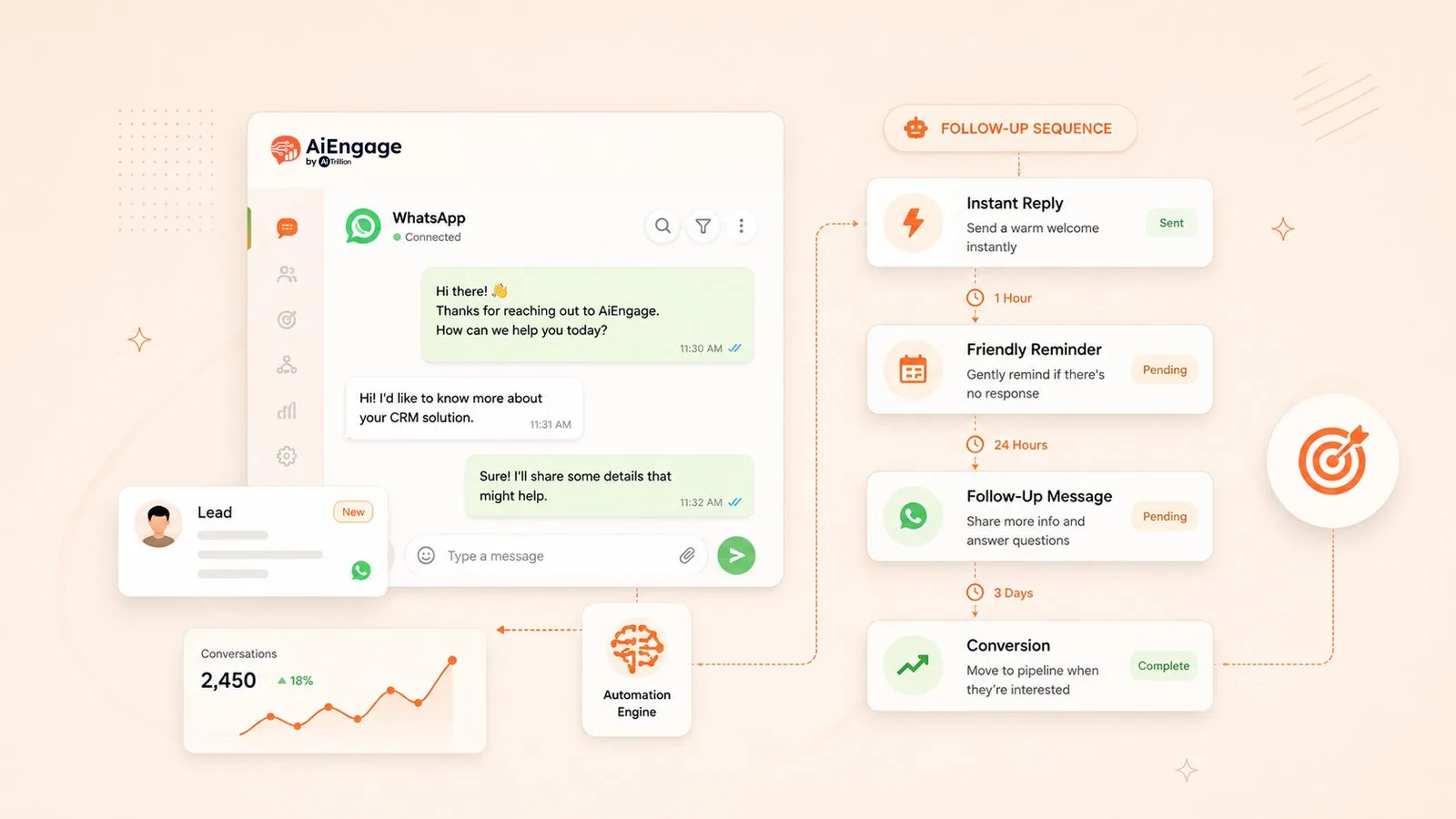
AiEngage CRM is our own product, built for teams tired of running support in one tool and sales in another. Leads from ads, forms, calls, and WhatsApp land in one dashboard, and a WhatsApp CRM inbox lets many agents share one number. Deals, tickets, and chat history stay together, which gives every rep the full customer story before replying.
Key Features:
WhatsApp AI agent: Replies to new inquiries and common questions at any hour, even when your team is offline.
AI lead qualification: Asks about budget, need, and timeline, then tags every lead as hot, warm, or cold.
AI calling: Handles lead conversations and follow-up calls, which frees reps to focus on serious buyers.
AI support agent with human handoff: Solves routine questions and passes complex chats to an agent with full history.
Sales pipeline with quotes and invoices: Moves deals from first chat to payment without switching to another tool.
100+ integrations: Connects with Stripe, Razorpay, Meta Ads, Google Ads, Twilio, and webhooks for smooth data flow.
Pricing:
Custom pricing based on team size and needs
Free trial available
2. Chatwoot
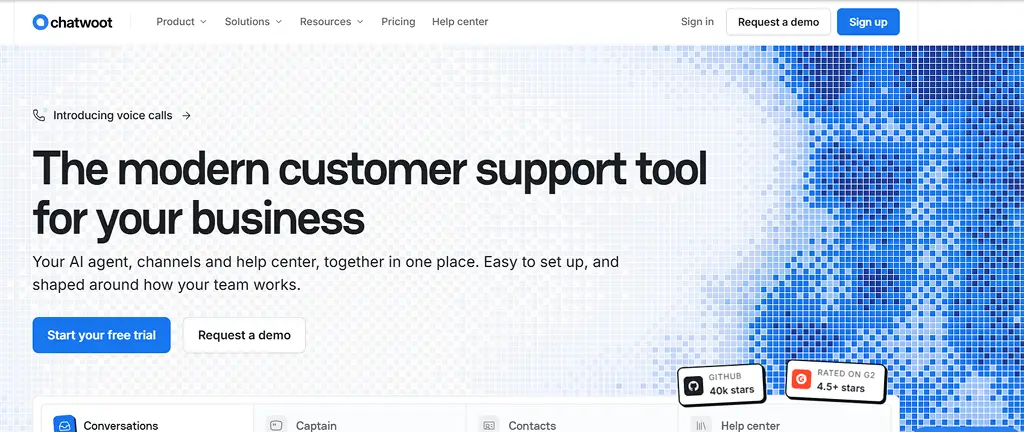
Chatwoot is an open-source customer engagement platform that runs in the cloud or on your own servers. It appeals to budget-conscious teams and businesses with strict data rules. The interface is clean and quick to learn, though the self-hosted version needs technical skill to keep running smoothly, and there is no built-in sales pipeline.
Key Features:
Omnichannel shared inbox: Brings live chat, email, WhatsApp, Instagram, and Telegram messages into one team view.
Automation rules: Assigns, labels, and routes conversations automatically based on conditions you set.
Captain AI: Suggests replies to agents and answers common customer questions using your help content.
Self-hosted option: Lets you run Chatwoot on your own servers for full control over customer data.
Pricing:
Free for up to 2 agents (30-day data retention)
Paid cloud plans: $19 to $99 per agent per month
3. Zendesk
Zendesk is a veteran help desk built for ticket-heavy support teams with complex workflows and detailed reporting needs. It scales well for large teams and has a huge app marketplace. Costs climb quickly once add-ons and extra AI resolutions enter the bill, and the platform offers no native sales pipeline.
Key Features:
Omnichannel ticketing: Turns email, chat, phone, and social messages into tickets inside one support workspace.
Help center and knowledge base: Lets customers find answers on their own, which cuts repeat tickets.
AI agents: Included in every Suite plan, with a monthly allowance of automated resolutions per agent.
Copilot add-on: Gives agents suggested replies and ticket insights for $50 per agent per month.
Pricing:
Support Team: $19 per agent per month
Suite Team: $55 per agent per month
Suite Professional: $115 per agent per month
Extra AI resolutions cost $1.50 to $2.00 each
4. Front
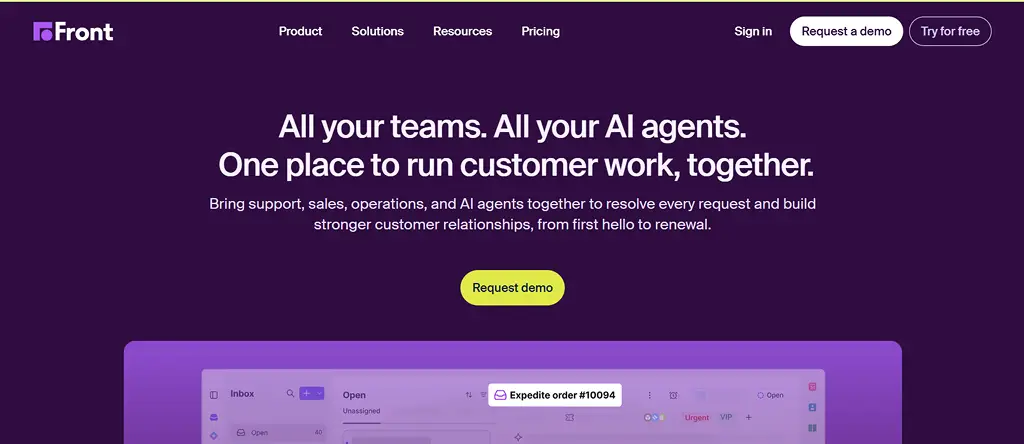
Front suits B2B teams where account managers and support agents work closely with customers over email. Conversations feel like a familiar inbox instead of rigid tickets. The Starter plan caps you at 10 seats and one channel type, and most AI tools cost extra below the Enterprise plan.
Key Features:
Shared inbox: Handles email, SMS, WhatsApp, and chat in one view that feels like a familiar email client.
Team collaboration: Lets agents comment, mention teammates, and discuss a reply without leaving the conversation.
Routing rules: Sends each message to the right person or team automatically based on rules you define.
Copilot and Autopilot: Copilot helps agents draft replies, while Autopilot works as an AI agent for routine questions.
Pricing:
Starter: $25 per seat per month
Professional: $65 per seat per month
Enterprise: $105 per seat per month
5. Tidio
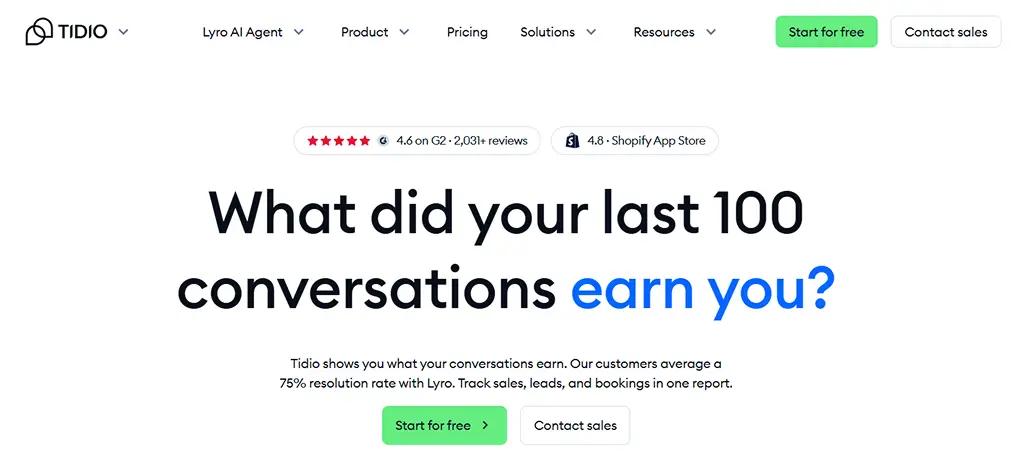
Tidio is a lightweight chat tool, popular as customer support software for small business owners who want a quick setup without technical help. Most online shops can go live within an hour. Pricing depends on billable conversations, with separate quotas for AI and chatbot usage, which can feel confusing as volume grows.
Key Features:
Live chat widget: Adds a chat box to your website with real-time visitor tracking.
Lyro AI agent: Answers frequent questions automatically using your FAQs and help content.
Flows chatbot builder: Creates no-code chatbots for greetings, product suggestions, and lead collection.
Multichannel inbox: Manages email, Messenger, Instagram, and WhatsApp messages alongside website chat.
Pricing:
Free plan with 50 conversations
Starter: $29 per month
Lyro AI add-on: from $39 per month
Intercom Alternative for Sales Teams vs Support Teams: What Changes
Both teams talk to the same customers but measure success differently.
What Support Teams Need Most
Agents need fast routing, a knowledge base, clear ticket status, and AI that handles repeat questions politely. Strong customer service and support tools also keep the full chat history visible when AI hands a chat to a human, and good customer support software for small business makes that handoff seamless.
What Sales Teams Need Most
A solid Intercom alternative for sales teams captures leads from ads and forms, scores them, and moves them through a clear sales pipeline. Follow up reminders and quotes in the same tool save reps hours each week.
When One Omnichannel CRM for Sales and Support Makes Sense
Need | Support Team | Sales Team | Shared Platform Benefit |
|---|---|---|---|
First reply speed | Critical | Important | AI answers leads and customers instantly |
Lead scoring | Not needed | Critical | Hot leads reach sales automatically |
Ticket tracking | Critical | Rarely used | Reps see open issues before calling |
Deal pipeline | Not needed | Critical | Agents know who is mid deal |
WhatsApp history | High | High | One number, one history |
If leads and support questions keep crossing between teams, an omnichannel CRM for sales and support removes the handoff gap. Adding AI in CRM for calling and ticketing pushes that benefit further.
Is There a Cheaper Alternative to Intercom That Still Works Well?
Yes, though the cheapest sticker price is rarely the cheapest total. Here is a rough monthly estimate for 5 agents on each entry plan.
Tool | Entry Plan | Approx. Monthly Cost for 5 Agents | Extra AI Costs |
|---|---|---|---|
Intercom (Fin) | Essential | $145 | $0.99 per resolution, 50 minimum |
Chatwoot | Startups | $95 | Captain AI credits |
Zendesk | Suite Team | $275 | Overage beyond allowance |
Front | Starter | $125 | Paid AI add-ons |
Tidio | Starter | $29 (billed by conversations) | Lyro from $39 |
AiEngage CRM | Custom | Quote based | Depends on plan |
When you compare Intercom competitors, use this formula:
Total monthly cost = (seats × seat price) + AI usage + extra tools needed.
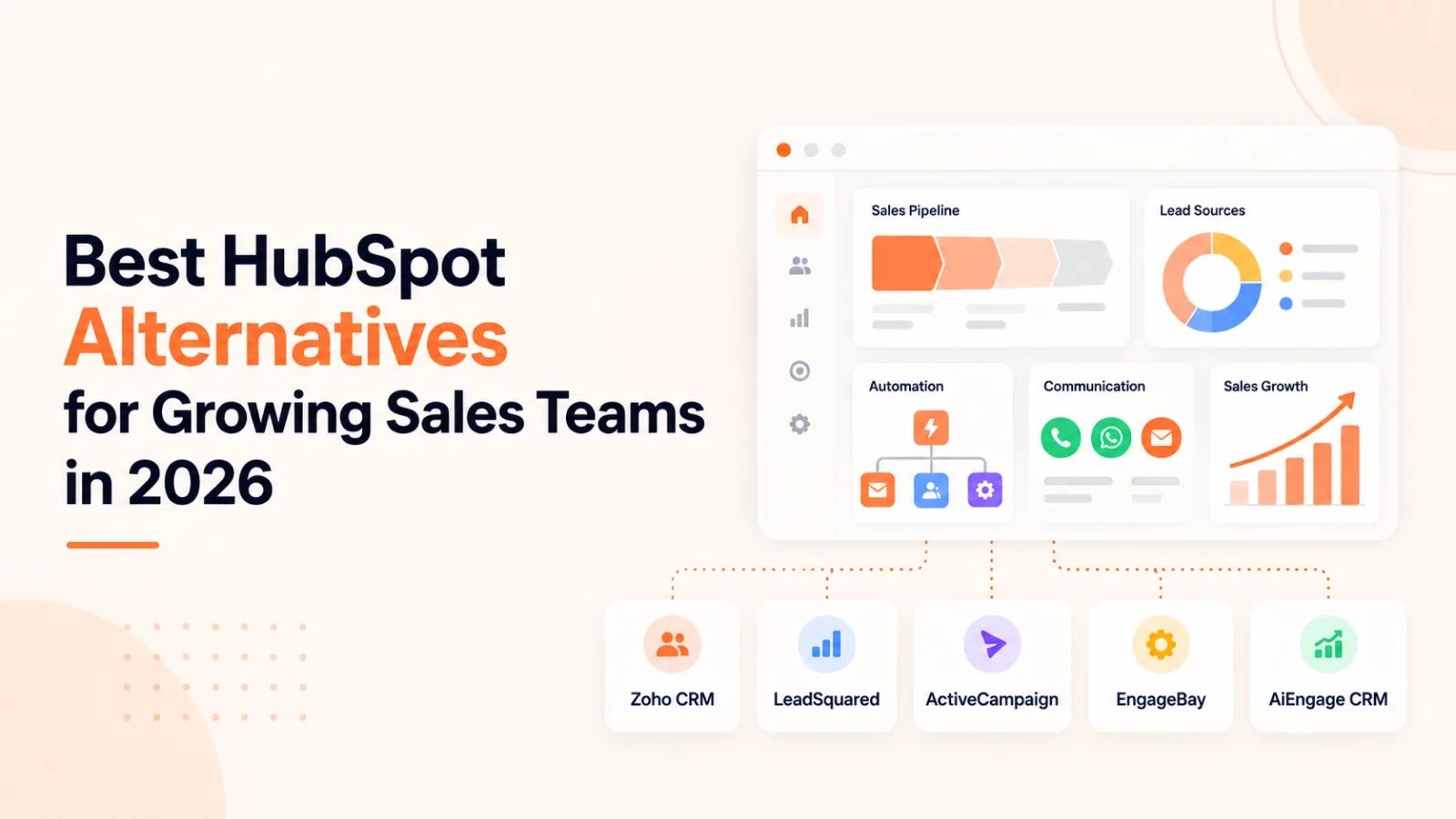
Teams leaving other platforms, like those weighing HubSpot alternatives, often find the extra tools line is the biggest number.
Why WhatsApp Matters When Choosing a Customer Support Tool
In many countries, WhatsApp is the default way to reach a business. A proper WhatsApp customer support tool uses the official API, lets many agents share one number, and sends approved templates for follow-ups.
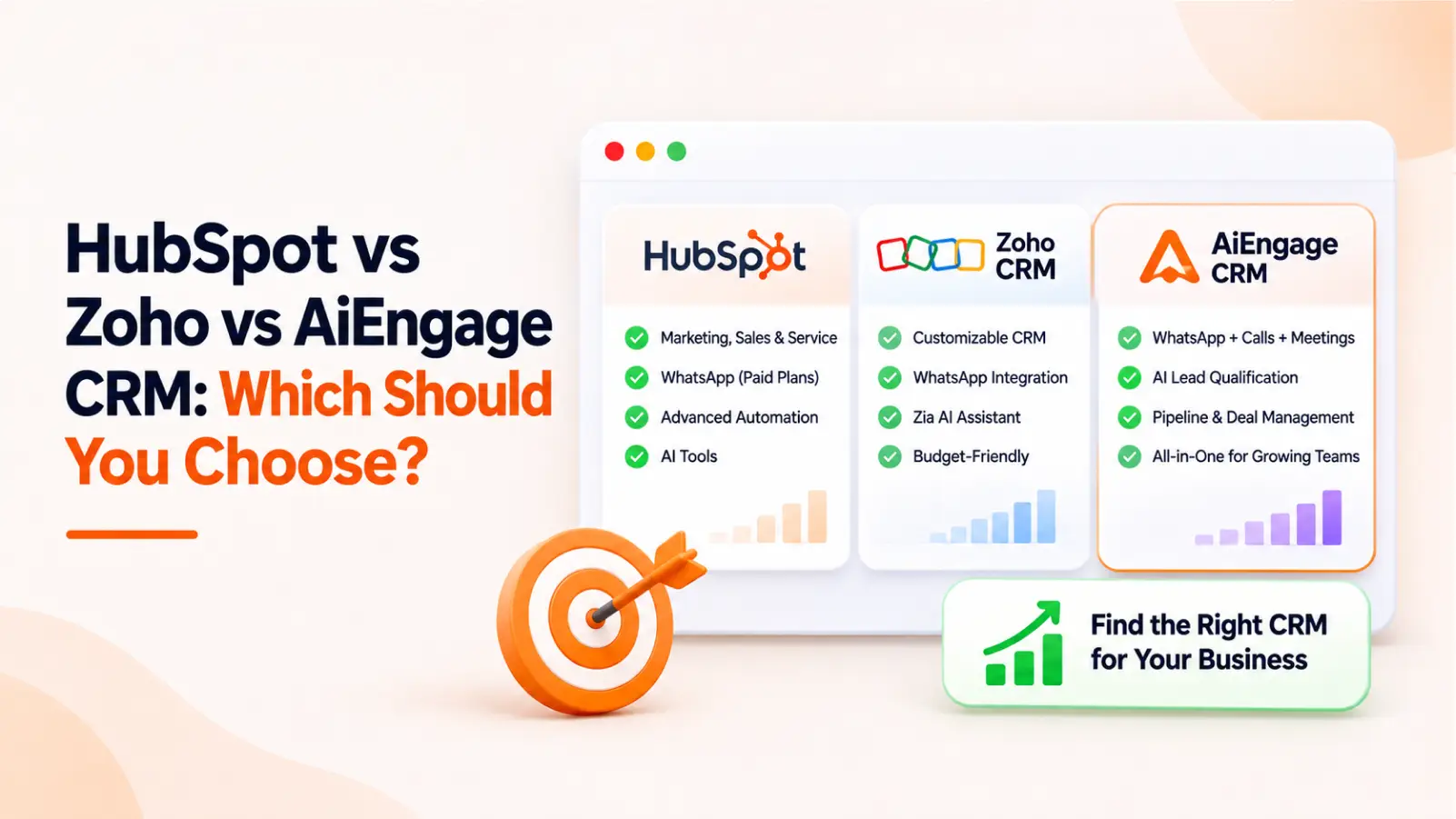
The real win comes when an AI chatbot on WhatsApp qualifies leads at night and passes hot ones to sales by morning. Among the Intercom competitors here, AiEngage CRM and Chatwoot treat WhatsApp as a core channel. When most leads arrive there, a WhatsApp customer support tool with built-in sales tracking beats any chat widget add-on.
Mistakes to Avoid When Switching From Intercom
1. Not Checking Data Migration
Years of conversations, contacts, tags, and help articles live inside Intercom. Export a full backup first, then check what the new tool actually imported using
Migration coverage = (records imported ÷ records exported) × 100.
Anything below 100% needs a fix before you cancel Intercom.
2. Paying for Features You Will Not Use
Higher plans look safe, but unused features quietly drain budget every month. List what agents use each week and calculate Cost per used feature = monthly plan cost ÷ features used weekly.
If that number feels high, a lower plan will likely do the same job.
3. Ignoring Team Training Time
Every new tool slows agents down while they learn it. Estimate the dip with
Training cost = agents × hours lost per day × training days × hourly cost, then plan the move during a quiet week and pick a vendor that offers onboarding help.
What to Test During a Free Trial Before You Leave Intercom
1. Run Real Customer Conversations, Not Demo Chats
Demo chats never show how a tool behaves when three messages land at once. Connect one real channel, even a quiet one, and let two or three agents handle actual customers for a few days. Watch how notifications, assignments, and AI replies hold up under real pressure.
2. Check How Leads Move From Chat to Your Sales Pipeline
Send ten test leads through chat and WhatsApp, then follow each one into the CRM. Measure Lead leak rate = (leads missing from pipeline ÷ total test leads) × 100. A healthy setup shows 0%, and anything higher means manual work your reps will hate.
3. Measure Response Time Across WhatsApp, Email and Live Chat
Speed often changes by channel, even inside the same tool. Track each one with Average first response time = total first reply time ÷ number of conversations. Compare the results with your current Intercom numbers before deciding.
4. Ask Your Agents What Slowed Them Down
Agents spot friction faster than any dashboard. Ask each one to rate the tool from 1 to 5 on speed, clarity, and ease, then calculate Agent friction score = sum of ratings ÷ number of answers. Anything under 4 deserves a closer look.
Conclusion
The best Intercom alternatives depend on where your conversations happen and who handles them. Chatwoot fits low budgets, Zendesk fits large help desks, Front fits email-heavy teams, and Tidio fits small shops.
When support and sales share customers, and WhatsApp carries most of the talk, AiEngage CRM keeps leads, tickets, and deals under one roof, with no per-resolution surprise waiting on the invoice.
Put AiEngage CRM to Work on Your Real Conversations
FAQs
Question: What is the best alternative to Intercom?
Answer: AiEngage CRM suits combined sales and support with heavy WhatsApp use. Zendesk suits large support teams, and Chatwoot suits tight budgets.
Question: Is Chatwoot a good free Intercom alternative?
Answer: Chatwoot is free for up to 2 agents on the cloud and free to self-host. The free cloud plan keeps data for only 30 days.
Question: Which Intercom alternative is best for small businesses?
Answer: Tidio and Chatwoot are easy starting points. If you also need lead tracking and WhatsApp, a CRM with built-in support avoids paying for two tools.
Question: Can one tool handle both customer support and sales?
Answer: Yes. Many of the best CRM software options now combine tickets, chats, leads, and deals, giving both teams the full customer history.
Question: Which Intercom competitors support WhatsApp?
Answer: All five tools here connect to WhatsApp. AiEngage CRM and Chatwoot treat it as a core channel, while Zendesk, Front, and Tidio offer it alongside other channels.


I help businesses simplify marketing, sales, and customer support through AI and automation. At AiEngage CRM, we bring lead management, WhatsApp, calling, email campaigns, meetings, and support into one connected platform. Our vision is to help businesses run smarter with AI, empowering teams to streamline everyday work, strengthen customer relationships, and drive sustainable growth.